


For nearly two decades, Imtiaz Ali’s romantic comedy Jab We Met has stood as the ultimate feel-good anthem of Hindi cinema. The 2007 blockbuster, starring Shahid Kapoor and Kareena Kapoor Khan, practically defined a generation with its vibrant storytelling, unforgettable soundtrack, and the iconic, infectious optimism of Geet Dhillon. Fans have watched Aditya find his smile and Geet rediscover her spark hundreds of times, secure in the knowledge that love conquers all in the most heartwarming way possible.
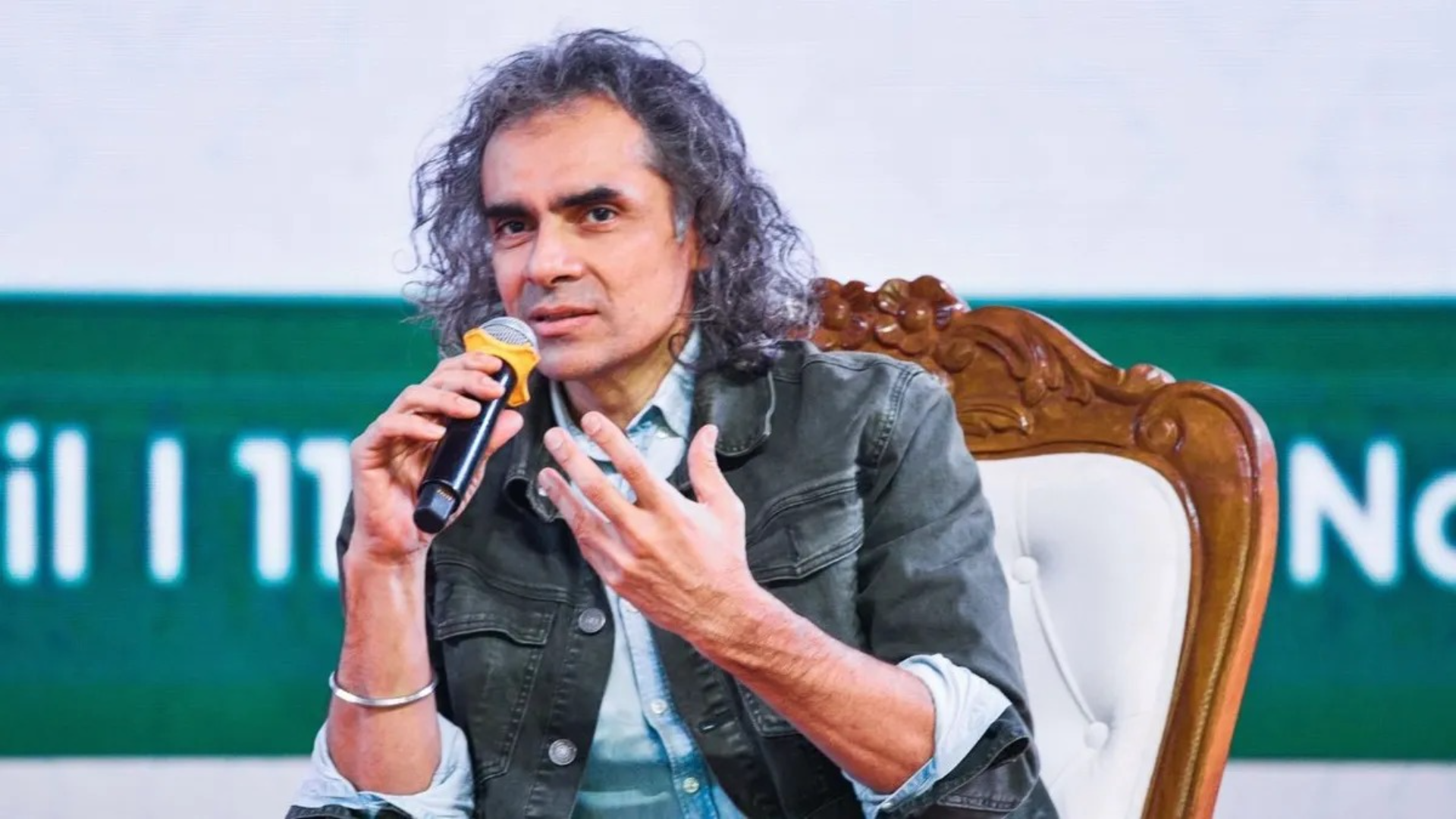
However, director Imtiaz Ali recently sent shockwaves through the film community by revealing that the Jab We Met audiences know and love was almost a completely different, drastically darker movie. Speaking at a retrospective media event, the acclaimed filmmaker opened up about the original script he had penned a version that subverts the entire emotional trajectory of the beloved classic.
In the version of the film that hit theaters, the narrative follows a beautiful, symmetric arc. Aditya, a depressed and wealthy businessman, contemplates ending his life before a chance encounter on a train with the bubbly, talkative Geet alters his course. She teaches him how to live, laugh, and embrace the chaos of life. Later in the film, the tables turn.
When Geet is abandoned by her lover Anshuman and falls into a deep, silent depression, Aditya tracks her down in Ratlam to pull her out of the abyss, returning the favor and helping her heal.
According to Ali, the original screenplay took this emotional symmetry and flipped it into a tragic, psychological loop.
In the initial draft, Aditya was still the broken soul rescued by Geet’s relentless positivity. He would return to Mumbai, fix his family’s corporate empire, and find his footing just as he does in the final cut. The massive departure occurred in the second half. When Aditya goes looking for Geet after learning of her heartbreak, he would still find her living a dreary, despondent life as a schoolteacher in Ratlam.
However, instead of Aditya successfully saving Geet, the original script dictated that Geet’s cynicism and depression would slowly infect Aditya all over again.
Ali explained that the original climax did not involve a triumphant return to Geet’s family in Bhatinda, nor did it feature the grand, romantic realization that leads to their iconic kiss. Instead, the film was designed to end on a bittersweet, cyclical note of shared grief.
In that version, Aditya’s attempts to cheer Geet up utterly fail. Overwhelmed by her unyielding sadness and the ghosts of her past, Aditya finds himself slipping back into the familiar darkness he had fought so hard to escape. The movie was meant to conclude with both characters trapped in a mutual state of melancholy, unable to save one another, effectively leaving the audience with a poignant but deeply sobering commentary on the cyclical nature of depression and heartbreak.
The filmmaker admitted that this initial concept stemmed from his own artistic sensibilities at the time, which leaned heavily toward raw, uncompromising human tragedy. He had envisioned the project as a gritty exploration of two lost souls who briefly spark a flame, only for the surrounding darkness to snuff it out completely.
When asked what prompted the dramatic shift toward the joyful, life-affirming film that was eventually made, Ali credited the collaborative nature of filmmaking and a sudden realization during the pre-production phase.
As he began discussing the characters with the creative team and eventual lead actors, the infectious energy of Geet’s character began to take over the narrative. Ali realized that forcing a character as vibrant as Geet into a permanently broken state felt like a disservice to the magic she brought to the first half of the story.
The revelation has sparked intense debate among cinephiles and fans on social media. While many express relief that Ali opted for the happier ending arguing that the world would have lost an essential comfort movie others are fascinated by the alternative. To know
such latest updates tuned tellyboosters.com Thank you

