


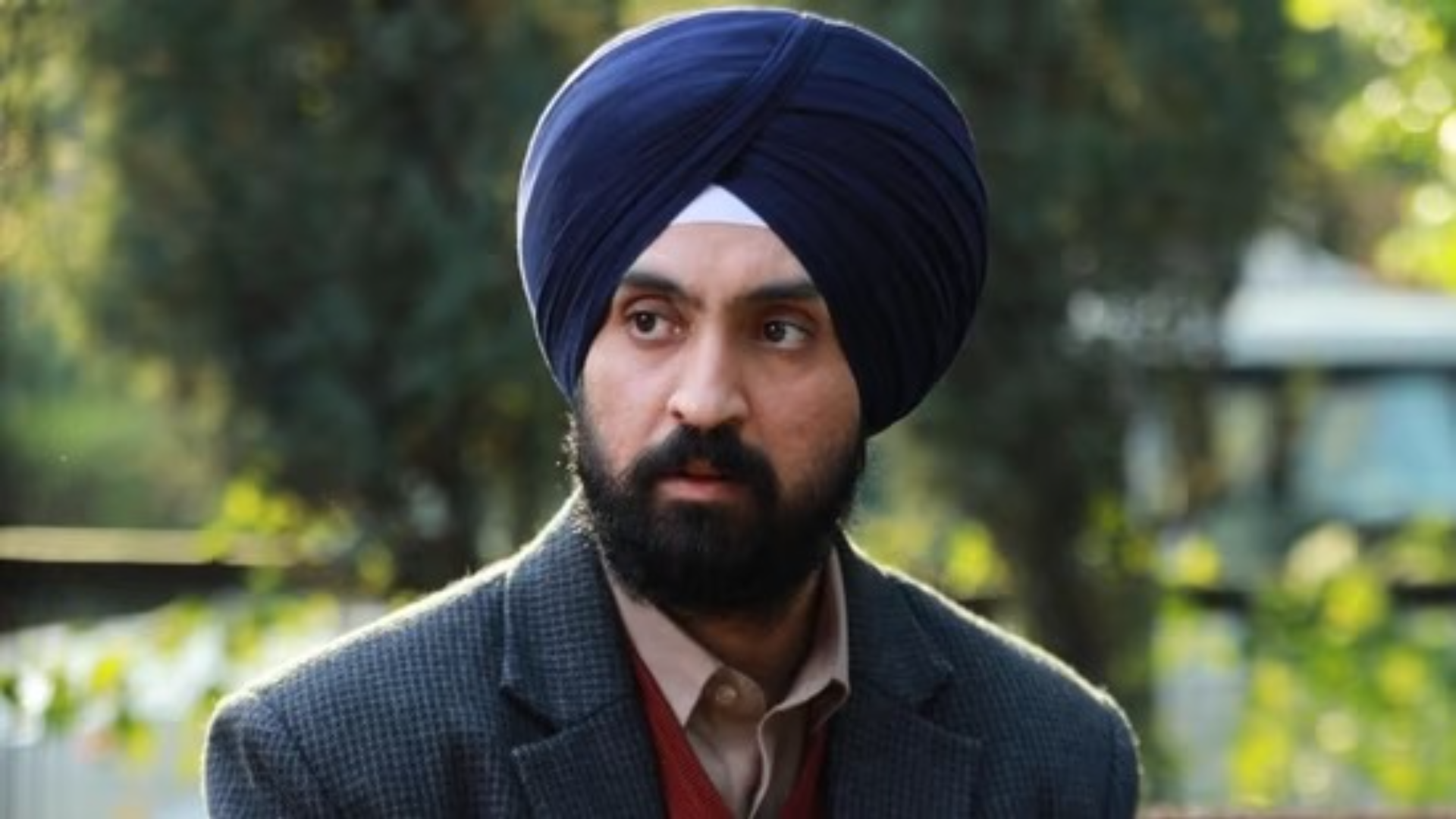
The digital streaming landscape has been profoundly shaken by the arrival of Satluj, the much-anticipated and long-delayed drama that has finally made its way to audiences after a turbulent four-year battle with censorship. Directed by Honey Trehan and headlined by global Punjabi icon Diljit Dosanjh, the film serves as a harrowing, unflinching chronicle of one of the darkest chapters in Punjab’s history. Originally titled Punjab 95, the project faced an exhausting standoff with the Central Board of Film Certification, which reportedly demanded over a hundred cuts before it could be deemed suitable for public viewing. However, the film has now premiered on Zee5 in its original, uncut form, standing as a testament to the filmmakers’ refusal to compromise on their vision. It is a work of immense courage and gravity, delivering a narrative that is both devastating to witness and utterly impossible to look away from.
At the core of this gripping drama is the real-life story of the late human rights activist Jaswant Singh Khalra, portrayed with remarkable restraint and emotional depth by Diljit Dosanjh. The film transports viewers back to the mid-nineties in Punjab, a time when the state was grappling with the traumatic fallout of insurgency and a subsequent wave of state-led crackdowns. Diljit Dosanjh sheds his usual charismatic, high-energy persona to inhabit the role of an ordinary bank manager who stumbles upon a chilling pattern of extrajudicial killings and undocumented cremations. His performance is the anchor of the film, capturing the quiet evolution of a man who is initially just seeking answers for a missing friend but gradually transforms into a fearless crusader fighting to expose the systematic disappearance of approximately 25,000 citizens.
The storytelling in Satluj is methodical and forensic, carefully stitching together the personal and the political to create a thriller that feels both intimate and expansive. Honey Trehan, working with a screenplay that balances historical fidelity with the pacing of a conspiracy drama, successfully paints a portrait of a society gripped by fear and systemic rot. The film does not shy away from the brutality of the era; the cinematography by K.U. Mohanan uses a nocturnal, stark aesthetic to capture the chilling reality of unlit fields, police intimidation, and the quiet, suffocating dread that permeated daily life during the insurgency. Each sequence is loaded with tension, and the supporting cast, including Arjun Rampal as an investigative official and Suvinder Vicky as a corrupt, chillingly calm police officer, provides a terrifyingly authentic face to the culture of impunity that the film seeks to uncover.
While the runtime of nearly three hours is substantial, the film earns every minute by refusing to offer easy answers or simplify the complex reality of human rights violations. It is not merely a docu-drama but a deep-dive into the moral conscience of a state, forcing the audience to grapple with the high price of activism and the consequences of unchecked administrative power. For those familiar with the history of the Khalra case, the film’s final act is a gut-wrenching watch, yet it remains essential viewing for its commitment to bearing witness. In an era where history is often sanitized for the screen, Satluj stands out as a rare, uncompromising piece of cinema that demands to be seen, serving as a sobering reminder of the light one person can shine into the deepest darkness.
To know such latest updates tuned tellyboosters.com Thank you

