


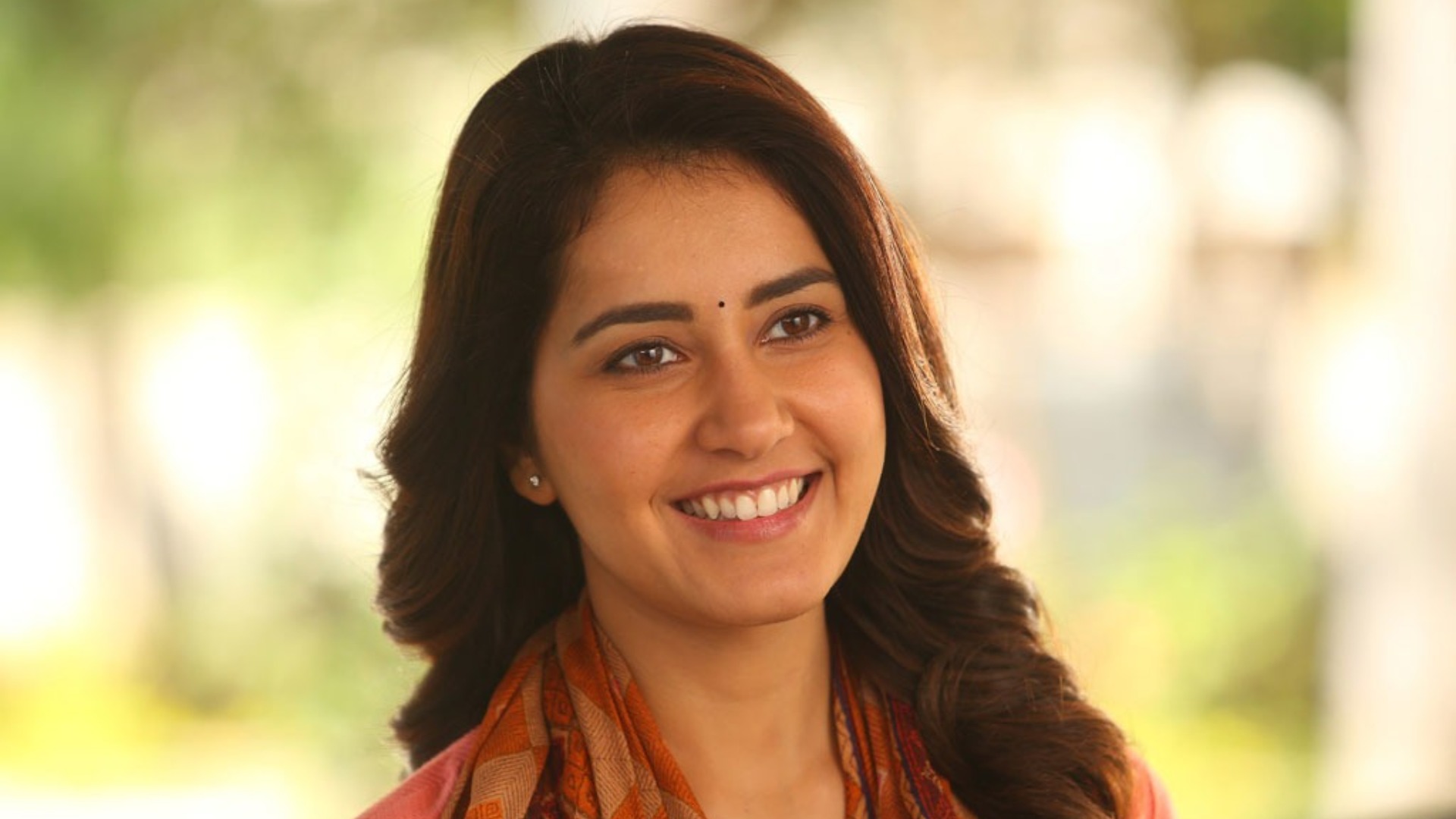
The debate around how women are portrayed on screen has been a long-standing one, but actress Raashi Khanna recently reignited the discussion with a remarkably clear-sighted statement. In simple terms, she pointed out that the objectification of women in films is not just a problem confined to the South Indian cinema industry; it is a pan-Indian issue that touches Bollywood and other regional industries as well. Her comments serve as a crucial reminder that cinema across the entire country needs to confront its approach to female characters.
For many years, there has been a lazy stereotype suggesting that South Indian films, specifically, are the primary culprits when it comes to reducing actresses to mere glamorous props or love interests who exist only to boost the male hero’s image.
While certain films might fit this description, Khanna’s perspective challenges the notion that this is a “South-only” phenomenon. She argues that this kind of portrayal is a deeper, industry-wide issue rooted in how female roles are often written across the board.
The actress, who has worked extensively in both the South (Telugu, Tamil) and the Hindi film industries, possesses a unique vantage point to make this observation. She has seen firsthand the similarities in how women are sometimes treated in scripts, from the item songs that solely focus on the female body, to roles that lack any real depth or agency outside of their relationship with the male lead.
Khanna’s statement essentially holds a mirror up to all of Indian cinema. Whether it’s a song in a big-budget Hindi film or a poorly written romantic interest in a regional blockbuster, the core issue remains the same: the tendency to prioritize glamour and superficiality over meaningful character development for women.
She highlighted that the problem isn’t the geographical location of the production house, but the mindset that pervades the industry. If a role requires an actress to merely look pretty and offer emotional support, regardless of the language the film is shot in, it is a form of objectification. This candid assessment forces audiences and filmmakers to stop pointing fingers at one region and instead look at the entire landscape.
A Call for Better Roles and True Representation
What Khanna and many other actors are truly advocating for is better writing. They are not asking for an end to glamour, but for a balance. Actresses want roles that are three-dimensional—characters with ambitions, flaws, and independent storylines that do not rely solely on a man’s journey.
Her comments are a sign of a positive shift, indicating that actors are using their platform to demand change. They underscore the fact that audiences are increasingly intelligent and are demanding more realistic and respectful portrayals of women. The goal is to move beyond the shallow depiction and embrace narratives where women are seen as subjects of their own stories, not just objects in someone else’s.
In conclusion, Raashi Khanna’s simple yet powerful observation reminds us that the fight for equitable representation is a unified struggle for the entire Indian film industry. It is a necessary conversation to have as cinema continues to evolve and seeks to reflect modern society more truthfully. To know such latest updates, stay tuned to tellyboosters.com Thank you!

