


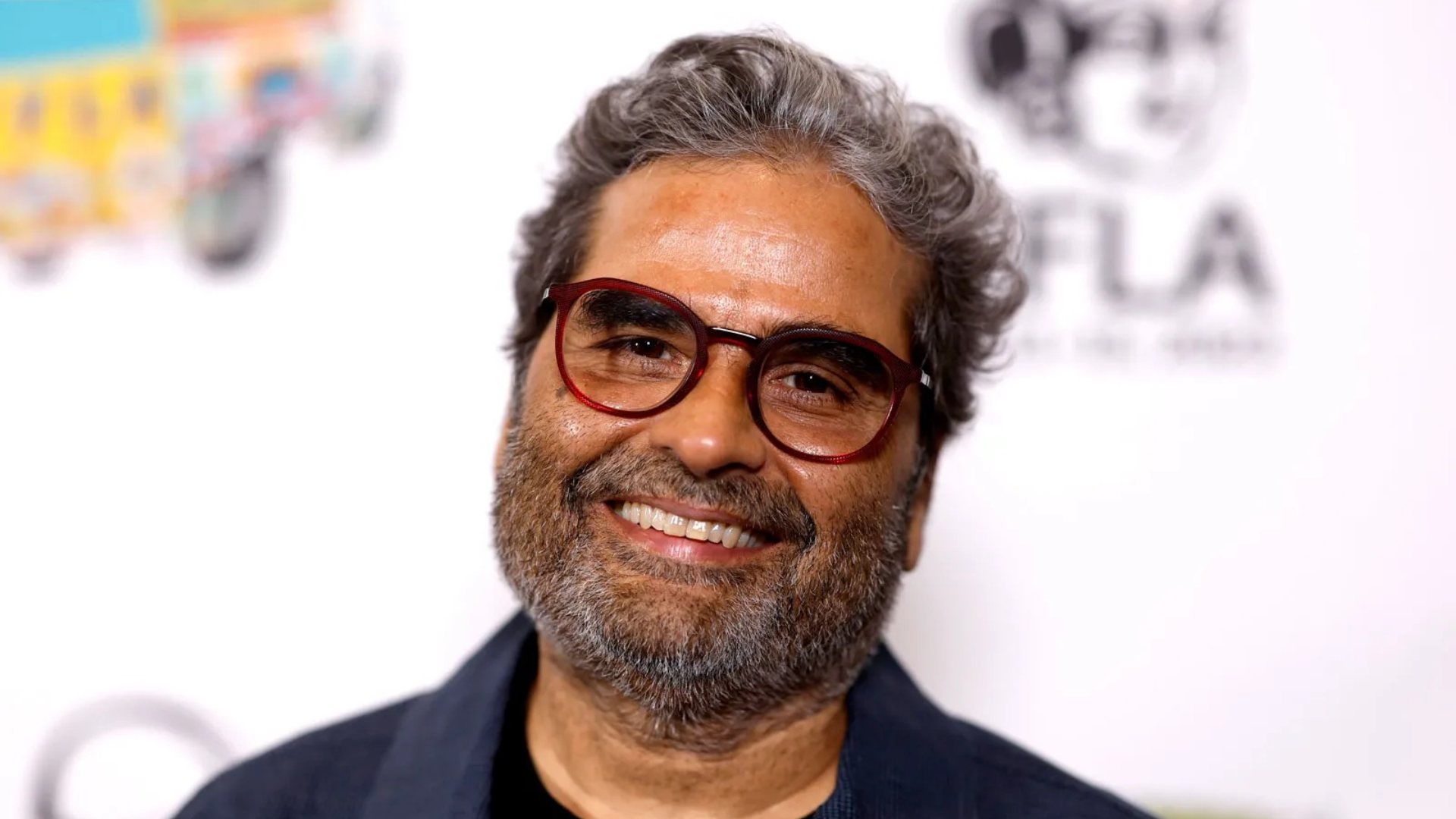
In a move that has sent ripples through the Indian film fraternity, National Award-winning filmmaker Vishal Bhardwaj has voiced a stark warning about the future of meaningful cinema. Speaking at a recent industry event, the director of classics like Maqbool and Haider suggested that “good cinema” is currently in a fight for its life, increasingly getting “beaten” by a market that prioritizes spectacle over substance.
The veteran director’s comments come at a time when the Indian box office is dominated by “Pan-India” action epics and high-octane masala entertainers, leaving little room for the nuanced, character-driven stories that defined the “New Wave” of the last two decades.
A “Creative Crisis” in the Industry
Bhardwaj, known for his gritty Shakespearean adaptations, did not mince words when describing the current state of Bollywood. He characterized the present era as one of the worst creative phases in the industry’s history.
“We are in a state where nobody knows what is working,” Bhardwaj remarked. “The formula has dried up, and the money has followed suit. We are chasing ghosts of past hits while the art itself is being pushed into a corner.”
His latest theatrical release, O’ Romeo (2026), starring Shahid Kapoor and Triptii Dimri, serves as a case study for this struggle. Despite Bhardwaj calling it one of his “most successful” creative endeavors, the film saw a lukewarm response at the box office, struggling to cross the ₹50 crore mark in India. In an era where “hits” are measured in hundreds of crores, the modest performance of a Bhardwaj-Kapoor collaboration signals a shift in audience appetite.
The “Spectacle” vs. The “Story”
The filmmaker highlighted a growing divide in the cinema-going experience. On one side, big-budget spectacles are thriving, while on the other, serious cinema is being relegated to streaming platforms (OTT), often losing the “grandeur of the dark room” (the theater).
Is There Still Room for “Grey”?
Bhardwaj noted that the fascination with “saints” is gone; audiences and filmmakers are drawn to the “devils” and the grey areas between black and white. However, he lamented that even this fascination is being simplified into “heroic violence” rather than the deep, psychological exploration seen in films like Omkara.
The director also pointed out the external pressures on creators, including diminished creative control and the fear of political sensitivity, noting that even his own landmark films like Haider might struggle to find a producer in today’s climate.
The Uncertain Future
Despite the grim outlook, Bhardwaj remains a defiant optimist. He believes that while “good cinema” is currently being beaten, the “unknown” future might hold a new kind of beauty. He urged audiences and producers to return to the basics: investing in stories that challenge the mind rather than just the visual senses.
As the industry continues to pivot toward “Pan-Indian” blockbusters, the question remains: Can the soul of Indian cinema survive the weight of its own box office expectations? To know such latest updates tuned tellyboosters.com Thank you!

