


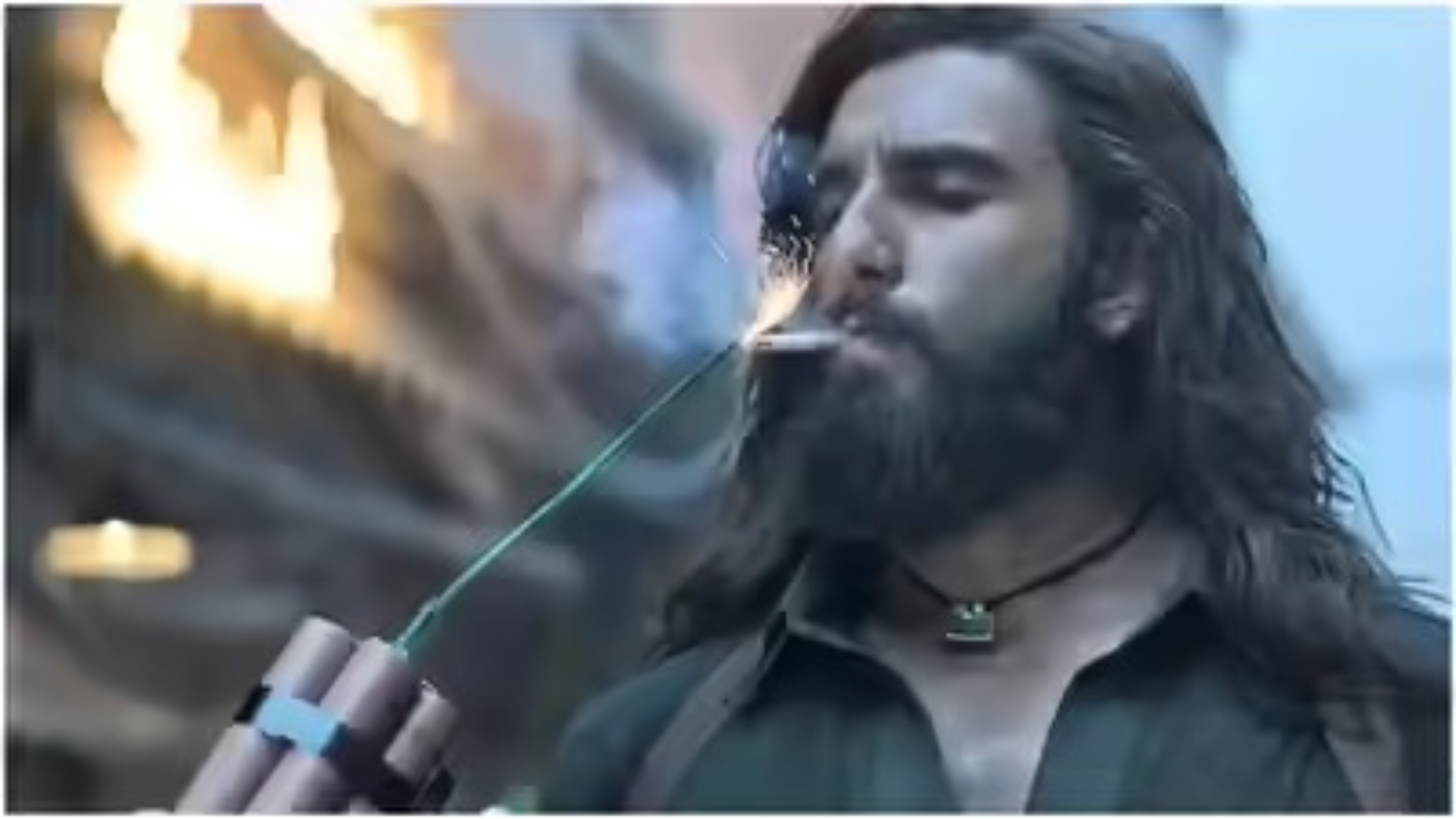
In the final weeks leading up to its blockbuster release, the production team behind Dhurandhar 2: The Revenge found themselves in a race against time that rivaled the high-stakes espionage seen on screen. With a looming deadline and the pressure to top its predecessor’s massive success, the crew successfully transformed iconic corners of Mumbai into the gritty, labyrinthine streets of Lyari, Pakistan.
The ambitious project, directed by Aditya Dhar and starring Ranveer Singh, Sanjay Dutt, and Arjun Rampal, has dominated headlines not just for its box office milestones, but for the sheer technical audacity of its production.
The journey to recreate Pakistan in the heart of Maharashtra wasn’t without its hurdles. Production designer Rupin Suchak, who stepped in mid-production to take over from Saini S Johray, revealed that the shoot was an integrated process.
“It wasn’t like an independent movie shoot happening all together for part two,” Suchak explained. “We took the handover and started executing the second part somewhere around midway. It was a race against the film’s release deadline.”
While a massive six-acre set was built in Bangkok to represent parts of Pakistan earlier in the schedule, a significant portion of the film’s gritty urban action required the authentic texture of Mumbai’s historic architecture.
### Transforming Ballard Estate and Film City
To capture the authentic feel of Karachi, the production team looked toward South Mumbai.
The historic Ballard Estate, known for its European-style stone buildings, underwent a radical transformation. Overnight, the quiet lanes were dressed up with Urdu signboards, weathered storefronts, and local Pakistani paraphernalia to mimic the dense neighborhoods of Lyari.
The transformation was so convincing that BTS glimpses from locals went viral, showing Ranveer Singh and Sanjay Dutt navigating streets that looked thousands of miles away from Mumbai. However, the process wasn’t always smooth.
Permission issues at one street location forced the team to pivot instantly.
A key ambulance sequence involving Sanjay Dutt had to be entirely rebuilt within the confines of Film City after external locations became unavailable.
In busy areas like Bora Bazar, the team was only granted access on Sundays, forcing them to work at a breakneck pace to dress, shoot, and strike the set within a 24-hour window.
The intensity of the tight deadline also brought its share of drama. In February 2026, the production faced legal scrutiny when an FIR was filed against the site manager for the unauthorized use of a drone in the high-security Fort area. Additionally, the Brihanmumbai Municipal Corporation (BMC) issued notices regarding safety violations on a building terrace shoot.
Despite these setbacks, the crew maintained their Dhurandhar spirit, completing the patch-work and additional measures just weeks before the film hit theaters on March 19.
The result of this frantic, around-the-clock labor is a film that critics are praising for its hyper-realistic atmosphere. By blending the grand sets of Bangkok with the lived-in, repurposed streets of Mumbai, the art department created a seamless vision of Pakistan that grounded the film’s $33 million budget in raw, tangible reality.
“The Lyari set creation was one of the most expensive and complex tasks we’ve handled,” Suchak noted. “But seeing the audience believe they are in Pakistan while we were actually standing in the middle of Mumbai—that’s the real magic of cinema.”
As Dhurandhar 2 continues its record-breaking run, crossing the ₹1,000 crore mark, the story of its creation serves as a testament to the chaotic, brilliant, and tireless world of Indian film production. To know such latest updates tuned tellyboosters.com Thank you!

