


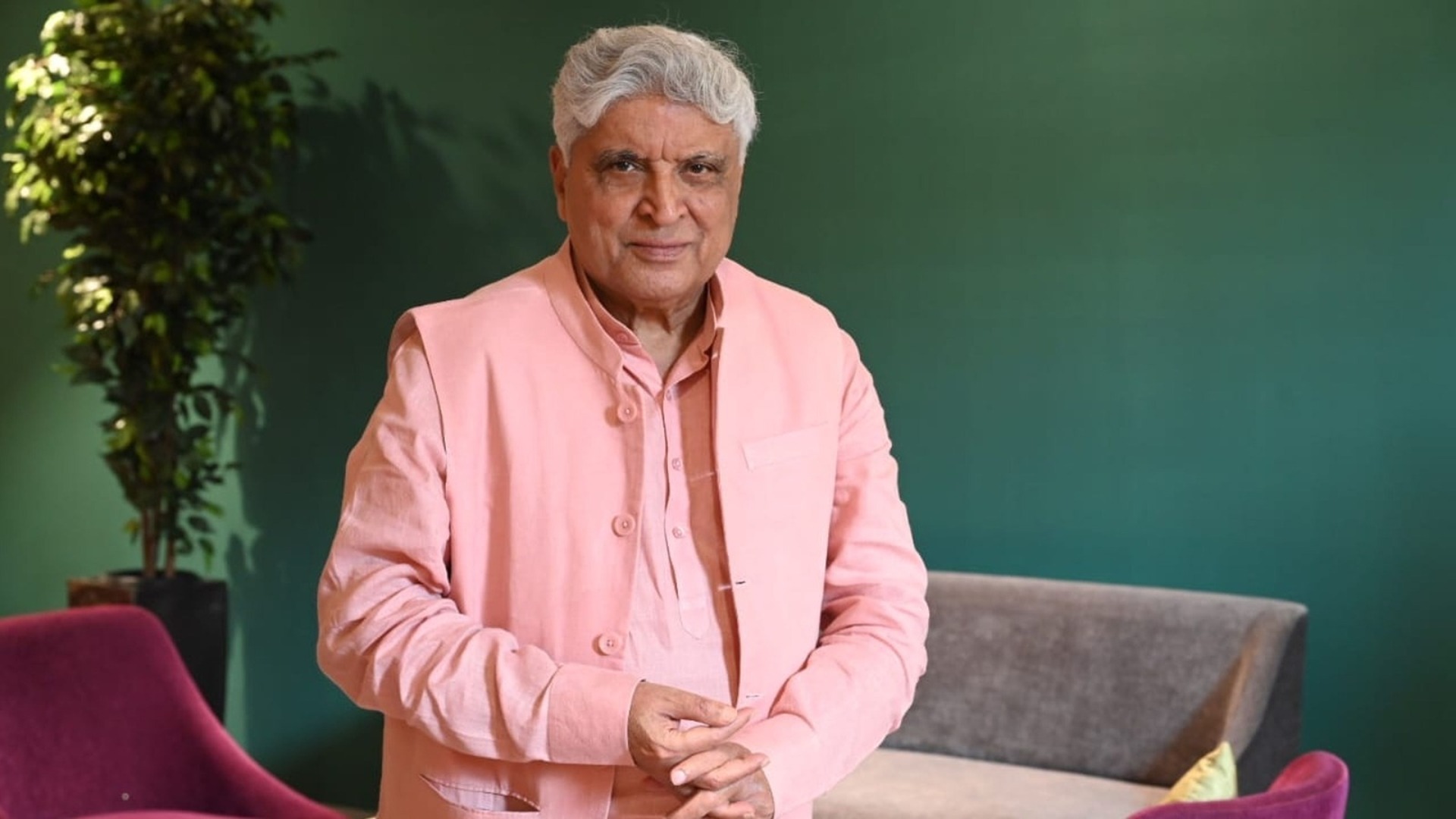
In an industry currently obsessed with sequels, reboots, and “spiritual successors,” legendary screenwriter and lyricist Javed Akhtar has drawn a firm line in the sand. Despite the massive commercial success and cultural impact of the Don franchise helmed by his son, Farhan Akhtar, and starring Shah Rukh Khan, the veteran writer remains a staunch advocate for the original 1978 masterpiece.
For many, the 2006 remake was a masterclass in modernizing a classic. It introduced a new generation to the “Don” persona and successfully spawned a sequel, with a third installment currently in the works. However, in a series of candid reflections, Javed Akhtar revealed that he has no interest in remaking his own past work, calling the trend a sign of “creative bankruptcy.”
While Javed Akhtar did provide his blessings and even contributed lyrics to Farhan’s 2006 version—rewriting iconic tracks like Khaike Paan Banaras Wala—he remains emotionally detached from the idea of “improving” the original.
“I will always be loyal to my Don,” Akhtar stated recently. “The films made later by Farhan are definitely successful and well-made, but for me, Don is the 1978 original written by Salim-Javed.”
Akhtar credits the late director Chandra Barot for creating the “first caper” of Hindi cinema. He argues that the 1978 film was unique because it didn’t rely on the melodrama or heavy emotional backstories typical of that era. To him, the film was perfect for its time, leaving no room—or need—for a rewrite from his perspective.
Akhtar’s refusal to engage in the remake culture goes beyond simple nostalgia; it is a matter of professional principle. He recently made headlines for refusing to write songs for Border 2, citing his distaste for rehashing old hits.
Akhtar believes that if a writer has nothing new to say, they should admit they cannot match the original level of work. He mentioned that the only reason he would ever want to remake a film is to “mend a mistake.” Since he views Don (1978) as a script without such flaws, he sees no creative purpose in revisiting it himself.
The contrast between father and son is stark. Farhan Akhtar viewed the remake as a way to adapt a “modern story” that was ahead of its time into a contemporary space. While Javed recognizes Farhan’s vision as “valid” and “good,” he chooses to remain the custodian of the legacy he built with Salim Khan.
As Bollywood continues to lean heavily on existing intellectual property to guarantee box office returns, Javed Akhtar’s stance serves as a rare reminder of a time when the “new” was more valuable than the “familiar.” To know such latest updates tuned to tellyboosters.com Thank you!

