


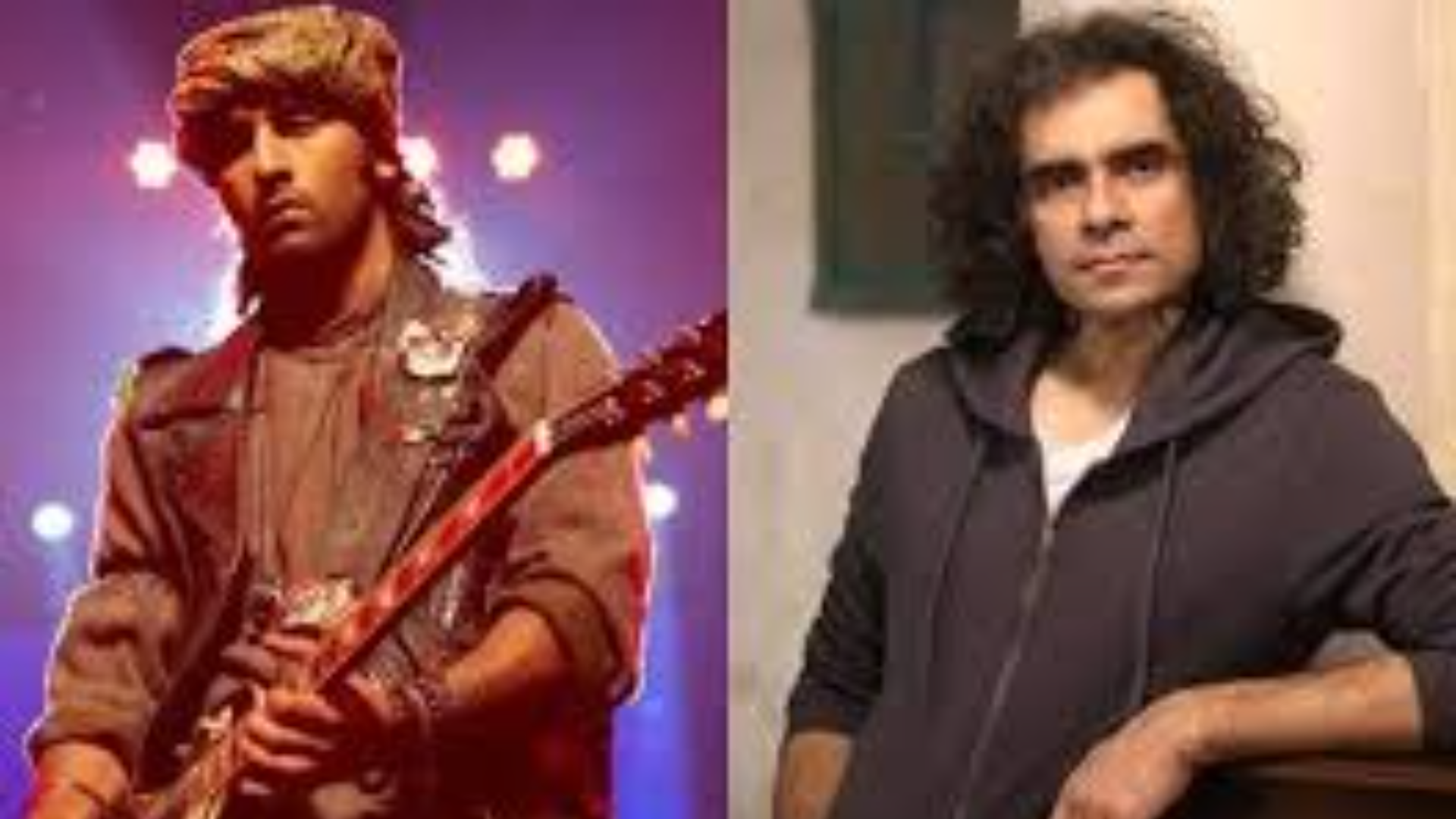
For over a decade, fans of the cult classic Rockstar (2011) have debated the tragic, ethereal ending that saw Jordan (Ranbir Kapoor) reach the pinnacle of musical fame only after losing the love of his life, Heer (Nargis Fakhri). However, in a recent revelation that has sent shockwaves through cinephile circles, director Imtiaz Ali confessed that the original script didn’t actually end in a graveyard.
According to Ali, the initial vision for the film saw a much more grounded—and perhaps equally painful—resolution for the star-crossed lovers.
A Different Kind of Heartbreak
In his recent interaction, Ali shared that the decision to kill off Heer was a late-stage evolution in the storytelling process. In the first draft, Heer survived her illness.
“The idea wasn’t always about death,” Ali noted. “It was about the transformation of a man through the experience of love and the void that follows.”
In the original version, Heer was meant to return to her life, recovered but permanently separated from Jordan by the circumstances of their social standing and her marriage. The “Rockstar” persona would still have been born, but it would have been fueled by the agony of her absence while she was still alive, rather than the finality of her passing.
Why the Ending Changed
The shift from a “living separation” to a “tragic death” was driven by the emotional crescendo Ali felt the film needed. As the production progressed and A.R. Rahman’s haunting score began to take shape, the creative team felt that Jordan’s journey required a more “mythical” conclusion.
The final version we see on screen suggests that Jordan’s music attains a divine quality only when he is completely untethered from the material world. By making Heer a “spirit” that guides his final performances, the film transitioned from a standard romantic drama into a Sufi-inspired tragedy.
The Impact on Pop Culture
The revelation has sparked a massive “What If” debate on social media. Many fans argue that Heer surviving would have made the film more realistic, highlighting the mundane pain of a love that simply cannot be. Others, however, believe the death of Heer is what cemented Rockstar as a masterpiece.
The Original Script: Focused on the social barriers and the “longing” of two people living in the same world but different lives.
The Final Film: Focused on the “spiritual” transcendence of Jordan, where his music becomes a bridge between life and death.
Looking Back at Jordan’s Journey
Even fourteen years later, Rockstar remains a cornerstone of modern Indian cinema. Whether Heer lived or died in the notes of a notebook, the result on screen gave us one of Ranbir Kapoor’s most career-defining performances. Ali’s confession serves as a reminder that even the most iconic cinematic moments are often the result of last-minute creative instincts.
As Jordan famously bellows in the film, quoting Rumi: “Beyond all ideas of right and wrong, there is a field. I will meet you there.” It seems that in one version of the script, that meeting didn’t have to wait for the afterlife. To know such latest updates tuned tellyboosters.com Thank you!

