


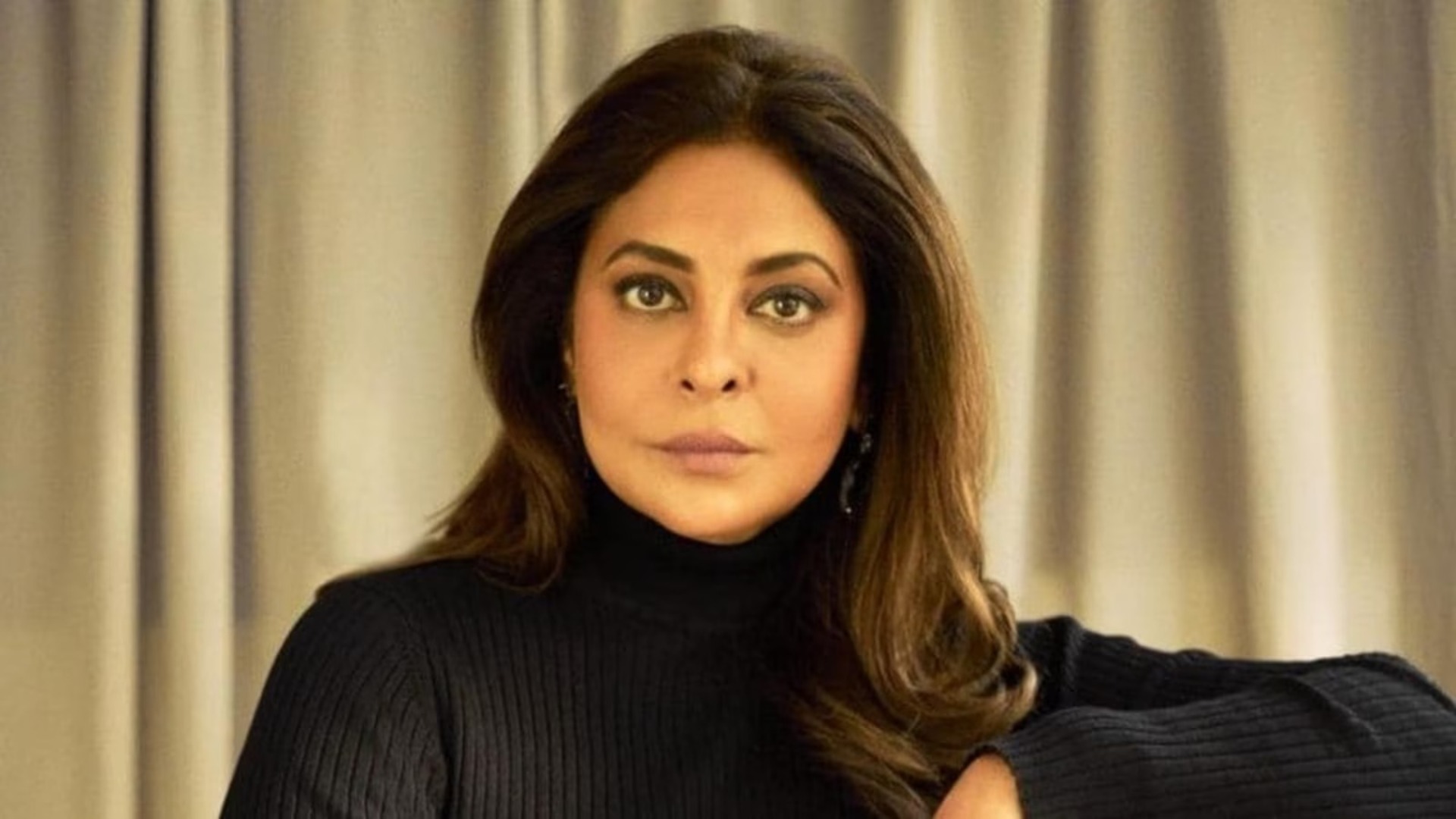
For a long time, the Indian film industry operated on a very strict, very expiration-dated script for women. If you were a female actor over 30, the industry essentially handed you a saree, a tray of tea, and a script that relegated you to “the mother” or “the sacrifice.” Shefali Shah lived this reality long before it became a public conversation.
At just 20 years old, Shefali played a mother of two. By the time she was in her late 20s, she played a mother to Akshay Kumar (who is actually older than her) in Waqt. While she delivered those roles with a grace that made her unforgettable, she has been vocal about the underlying unfairness of that era. Her career is now a masterclass in how to dismantle ageism and sexism simply by demanding better.
Shefali’s take on ageism is rooted in personal experience. She often speaks about how the industry lacked the imagination to see women as multifaceted individuals once they hit a certain age. In her interviews, she doesn’t just complain; she points out the logical flaw: life doesn’t end at 40, so why should stories?
She famously sat at home for long periods, refusing “typecast” roles because she knew her worth. This patience paid off. With projects like Delhi Crime, Jalsa, and Darlings, she proved that a woman in her 40s and 50s can be the lead, the hero, the complicated villain, and the heartbeat of a story all at once.
Sexism in cinema often manifests as the “male gaze,” where women are valued primarily for their youth or aesthetic appeal. Shefali has consistently pushed back against this by embracing authenticity. Whether it is the tired eyes of DCP Vartika Chaturvedi or the raw, unpolished grit of a domestic worker in Ajeeb Daastaans, she refuses to let vanity dictate her performance.
She challenges the sexist notion that women must be “likable” or “pretty” to be on screen. Her characters are often messy, angry, ambitious, and flawed—traits that were historically reserved for male protagonists.
Shefali credits the rise of streaming platforms (OTT) for helping bridge this gap, but she also credits the audience. She believes that viewers are finally tired of the “bimbo” or “suffering mother” tropes. She said, “I don’t want to be a decoration in a film,” she has often remarked.
Her stance is clear: talent has no expiry date, and gender should not dictate the complexity of a role. She isn’t just “back” in the industry; she is leading it, proving that the most interesting stories often begin exactly where the industry used to think they ended.
Perhaps the most powerful part of Shefali Shah’s journey is her ability to say no. By rejecting roles that were beneath her talent, she forced the industry to look at her differently. She chose to be “unemployed” rather than be “insignificant.”
Today, she stands as a beacon for younger actresses, showing them that they don’t have to fear the passing of time. In Shefali’s world, age isn’t a hurdle—it’s a superpower that brings depth, empathy, and a level of skill that youth simply cannot replicate. To know such latest updates, stay tuned to tellyboosters.com Thank you!

