


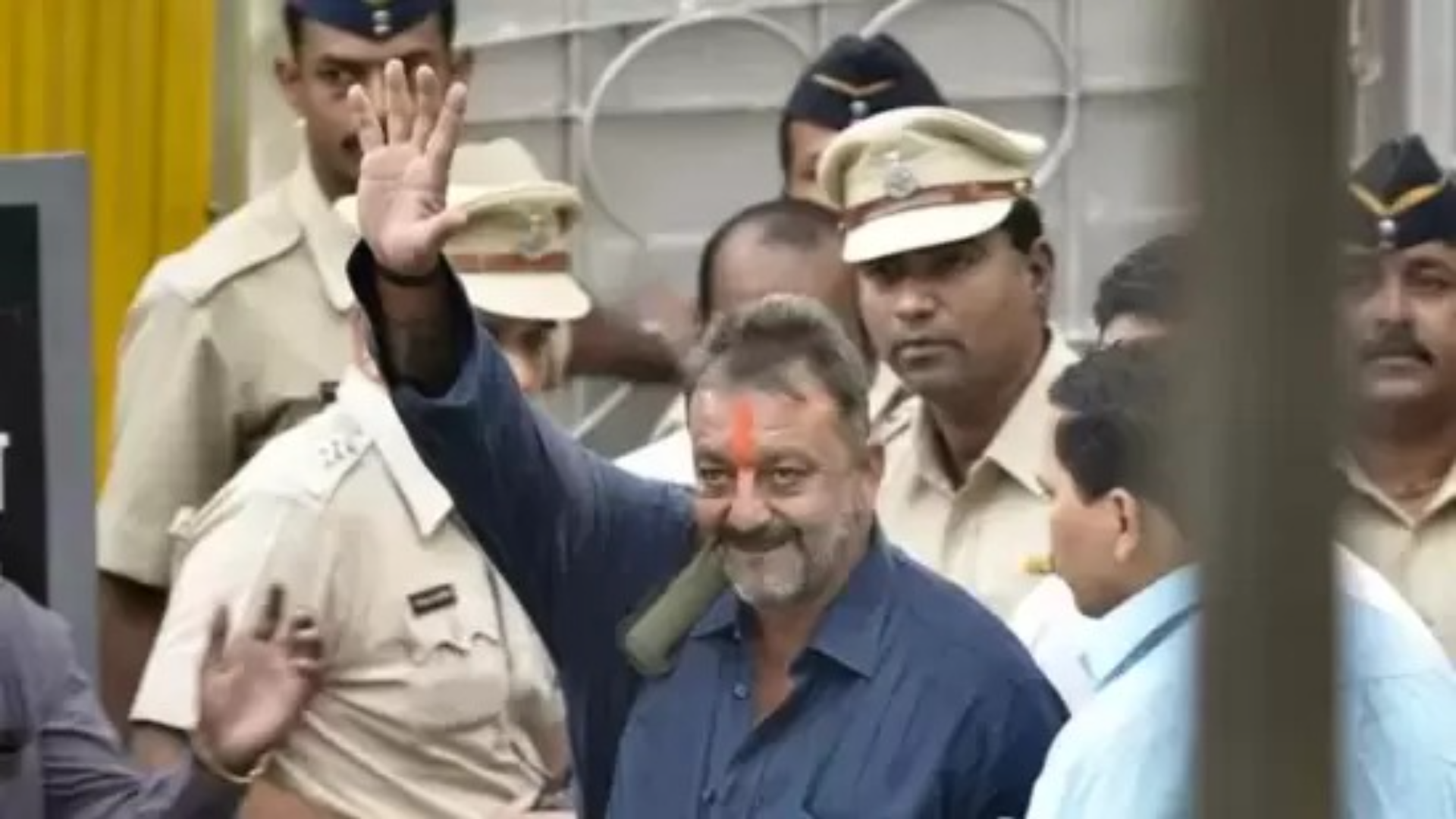
The high-profile legal battle of Bollywood actor Sanjay Dutt regarding the 1993 Mumbai serial blasts case remains one of the most intensely debated chapters in Indian entertainment history. In a recent interview, senior public prosecutor Ujjwal Nikam shared poignant and previously undisclosed details about the exact moments inside the courtroom when the final verdict was announced. Nikam revealed that despite hiring the most elite legal minds in the country to defend him, the actor was completely overcome by fear when the court ordered him back into custody. According to the veteran prosecutor, Sanjay Dutt was visibly trembling and virtually shaking as the harsh reality of his conviction under the Arms Act set in. The emotional breakdown occurred immediately after the judge pronounced the strict judgment, prompting the actor to repeatedly plead his innocence in a panicked state.
During the courtroom proceedings, Sanjay Dutt kept repeating that he had not done anything wrong and desperately promised that he would return, all while being unable to control his physical shivering. Ujjwal Nikam, who was standing just a few feet away from the distressed star, stepped in to offer a brief moment of grounding motivation by telling him to stand straight because the media cameras were watching closely. The prosecutor then instructed the police officers to escort the actor away to avoid a massive media frenzy and to protect the narrative from portraying the prosecution as insensitive. Nikam explained that public sympathy used to shift massively toward Sanjay Dutt whenever he cried during the trial, which often led the public and media to view the prosecution as the villain of the story.
The legal friction in the case primarily revolved around the prosecution strongly opposing any form of leniency or probation for the Bollywood star. While Sanjay Dutt’s defense lawyers argued that he should be released on a bond because it was his very first offense, Nikam aggressively countered this by highlighting the dangerous origins of the weapon. The prosecution argued that the pistol in question came directly from an associate linked to underworld operative Dawood Ibrahim, proving that the actor was fully aware of the criminal background involved. Nikam maintained that the Probation of Offenders Act was meant exclusively for genuinely innocent first-time offenders caught in unfortunate situations, a condition that did not apply to this scenario. Even though the prosecution pushed for a maximum seven-year sentence, the Supreme Court eventually settled on a five-year prison term under the Arms Act, which the actor successfully completed in 2016 before restarting his cinematic career.
To know such latest updates tuned tellyboosters.com Thank you

