


- Advertisement -
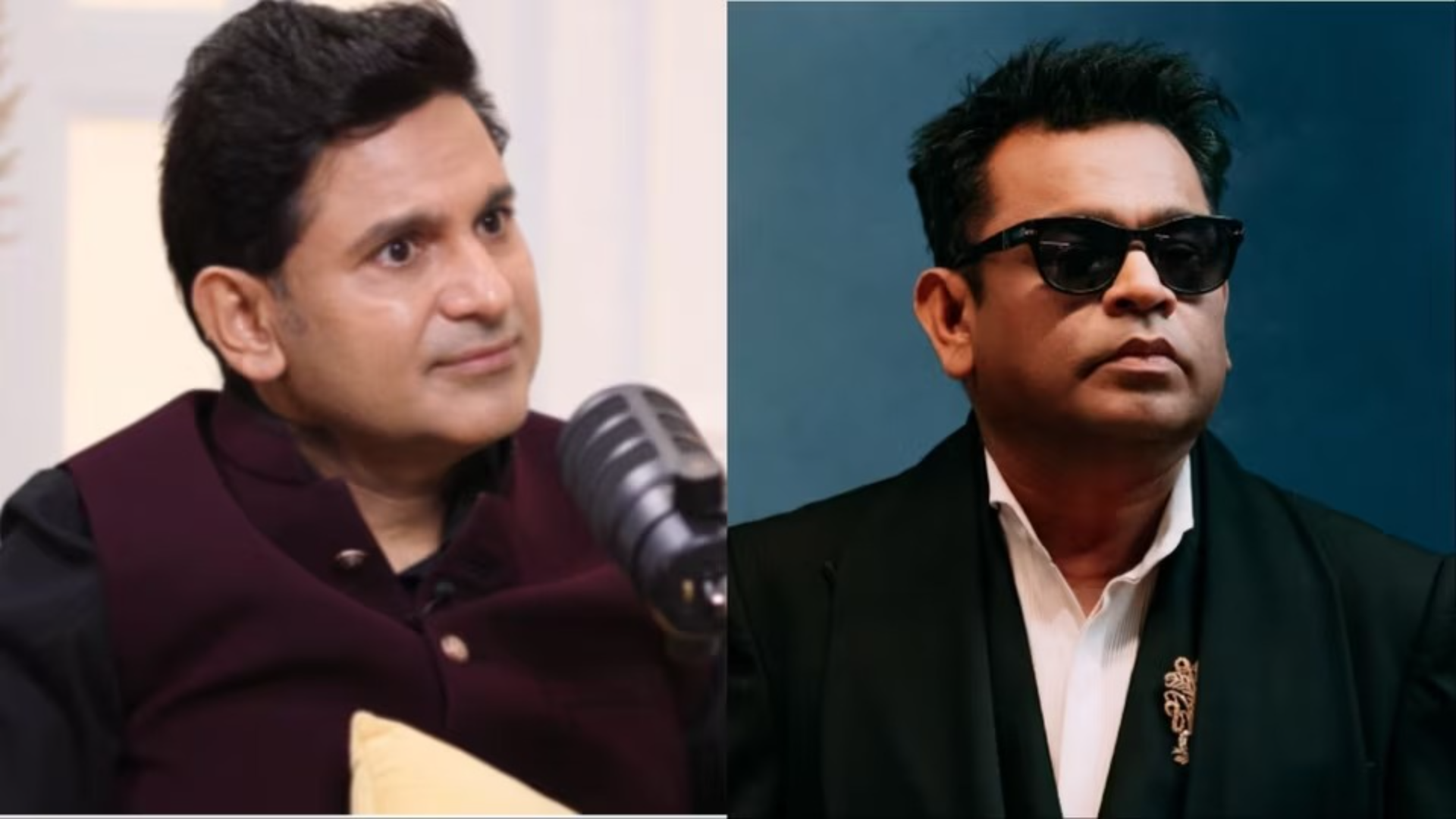
Renowned lyricist and screenwriter Manoj Muntashir has sparked a major discussion across the film industry after addressing recent controversial statements made by Oscar-winning composer AR Rahman. During a recent interview, Manoj reacted to Rahman’s past remarks regarding alleged communalism in Bollywood and his decision to label the historical drama Chhaava as a propaganda film. Expressing strong reservations about Rahman’s criticism, Manoj questioned why the celebrated maestro agreed to compose music for the Vicky Kaushal-starrer in the first place if he had underlying concerns regarding its story and overall narrative intent. He emphasized that a veteran artist of Rahman’s stature does not take on projects blindly without reading the script beforehand, making his post-release criticism confusing for both creators and film lovers.
Discussing the core argument behind the project, Manoj noted that professional artists are always given full freedom to accept or decline scripts based on their personal convictions and creative alignment. He pointed out that Rahman actively composed the soundtrack for Chhaava, which makes calling it a propaganda film after completing the work difficult to understand. Manoj stated that if someone truly believes a film promotes a biased or manipulative message, the logical choice would be to step away from the offer right at the beginning rather than associating with it and later criticizing its core message publicly. He added that he looks forward to having an open and respectful dialogue with Rahman whenever they meet next to understand his perspective better.
Expanding on Rahman’s broader comments about experiencing a reduction in work opportunities due to industry dynamics, Manoj offered a contrasting viewpoint. He highlighted that India has historically celebrated talent across all backgrounds, pointing to icon figures like former President APJ Abdul Kalam, cricketer Mohammad Azharuddin, and Rahman himself, who achieved unparalleled success and reverence irrespective of their religious identity. Manoj suggested that instead of attributing shifts in work volume to communal bias, creators should also consider practical industry factors such as changing musical trends, recent song performances, or evolving professional relationships. He expressed concern that making sweeping claims about discrimination risks disturbing the cultural fabric of the nation and industry.
The ongoing debate has reignited conversations around the historical drama Chhaava as well as the changing power dynamics in mainstream Hindi cinema. While Rahman had previously shared that shifts in industry leadership and corporate decision-making sometimes affect project allocations, Manoj’s counter-perspective places emphasis on personal accountability, artistic choice, and maintaining strong professional ties. As both perspectives continue to circulate among trade experts and fans, the dialogue underscores how complex the intersection of art, personal ideology, and commercial filmmaking can be in modern Indian entertainment.
To know such latest updates tuned tellyboosters.com Thank you
- Advertisement -

