


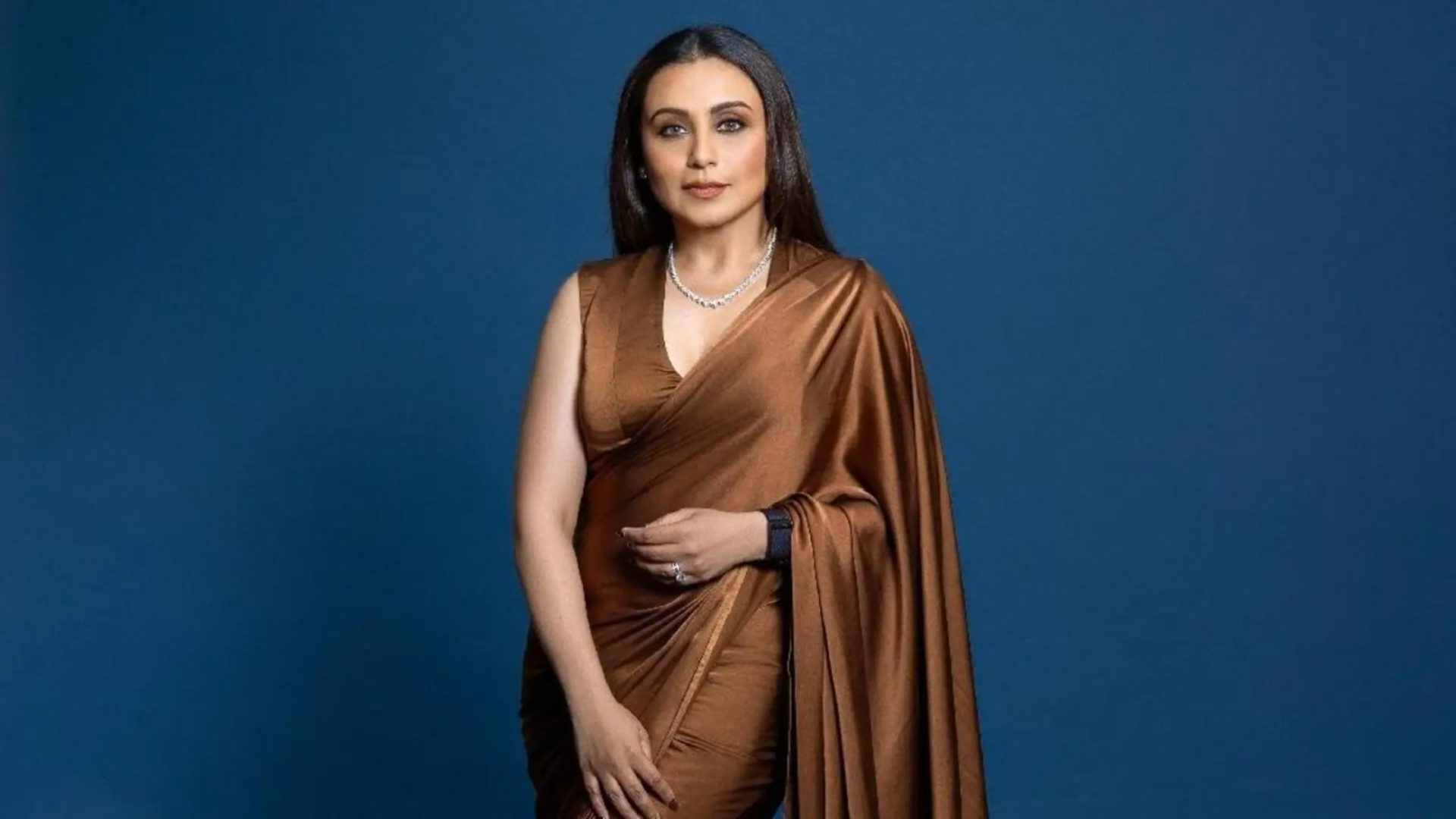
In an industry often obsessed with sequels and remakes, Rani Mukerji is taking a firm stand on the sanctity of her cinematic past. In a recent candid conversation, the veteran actress looked back at the milestones of her career—specifically Kuch Kuch Hota Hai, Saathiya, and Black—concluding that some masterpieces are simply lightning in a bottle.
“I can’t recreate the magic,” Mukerji admitted with a reflective smile. “Those films weren’t just scripts; they were moments in time that captured a specific energy. To try and do them again would be like trying to catch smoke with your bare hands.”
The Evolution of an Icon
Rani’s journey through the late 90s and early 2000s defined a generation of Bollywood fans. Each of the films she highlighted represents a different pillar of her versatility as an artist.
Kuch Kuch Hota Hai (1998): The Debut of “Tina”
As the sophisticated Tina, Rani held her own against established superstars Shah Rukh Khan and Kajol. Even now, fans remember the mini-skirts and the “chiffon energy” she brought to the screen. Mukerji notes that the innocence of that era is what made the film a cult classic.
Saathiya (2002): The Realism of Romance
Moving away from the gloss of high-school drama, Saathiya saw Rani as Suhani, a woman navigating the messy, unromantic realities of early marriage. With A.R. Rahman’s soul-stirring music, the film became an anthem for young lovers.
Black (2005): The Masterclass
Perhaps her most physically and emotionally demanding role, her portrayal of Michelle McNally—a woman who is deaf and blind—earned her universal acclaim. Working under Sanjay Leela Bhansali, Rani pushed the boundaries of mainstream acting.
Why the “Magic” is Sacred
During the discussion, Mukerji explained that the “magic” she refers to isn’t just about her performance, but the synergy between the director, the music, and the audience’s mindset at the time.
“When we filmed Saathiya, the world was different. The way people viewed love was different. Today, if I played Suhani again, it wouldn’t have the same soul because I am a different person now, and the world is a different place.”
She expressed a deep respect for the directors—Karan Johar, Mani Ratnam (and Shaad Ali), and Sanjay Leela Bhansali—who guided her through these career-defining phases. She believes that attempting a “re-run” or a spiritual successor often dilutes the emotional impact the original had on the viewers.
Looking Forward, Not Backward
While she acknowledges her past with immense gratitude, Rani remains focused on the future. Her recent outings, such as the Mardaani franchise and Mrs. Chatterjee vs Norway, show an actress who is keen on telling new, gritty, and socially relevant stories rather than resting on her laurels.
Her message to fans is clear: cherish the classics for what they are. By refusing to “recreate the magic,” Rani Mukerji is actually preserving it—ensuring that the Tina, Suhani, and Michelle we remember remain untarnished by the modern pressures of “Part 2s” and “Reimaginings.”
In an era of nostalgia-bait, her honesty is a refreshing reminder that some stories are best left exactly where they started: in our hearts. To know such latest updates tuned tellyboosters.com Thank you!

