


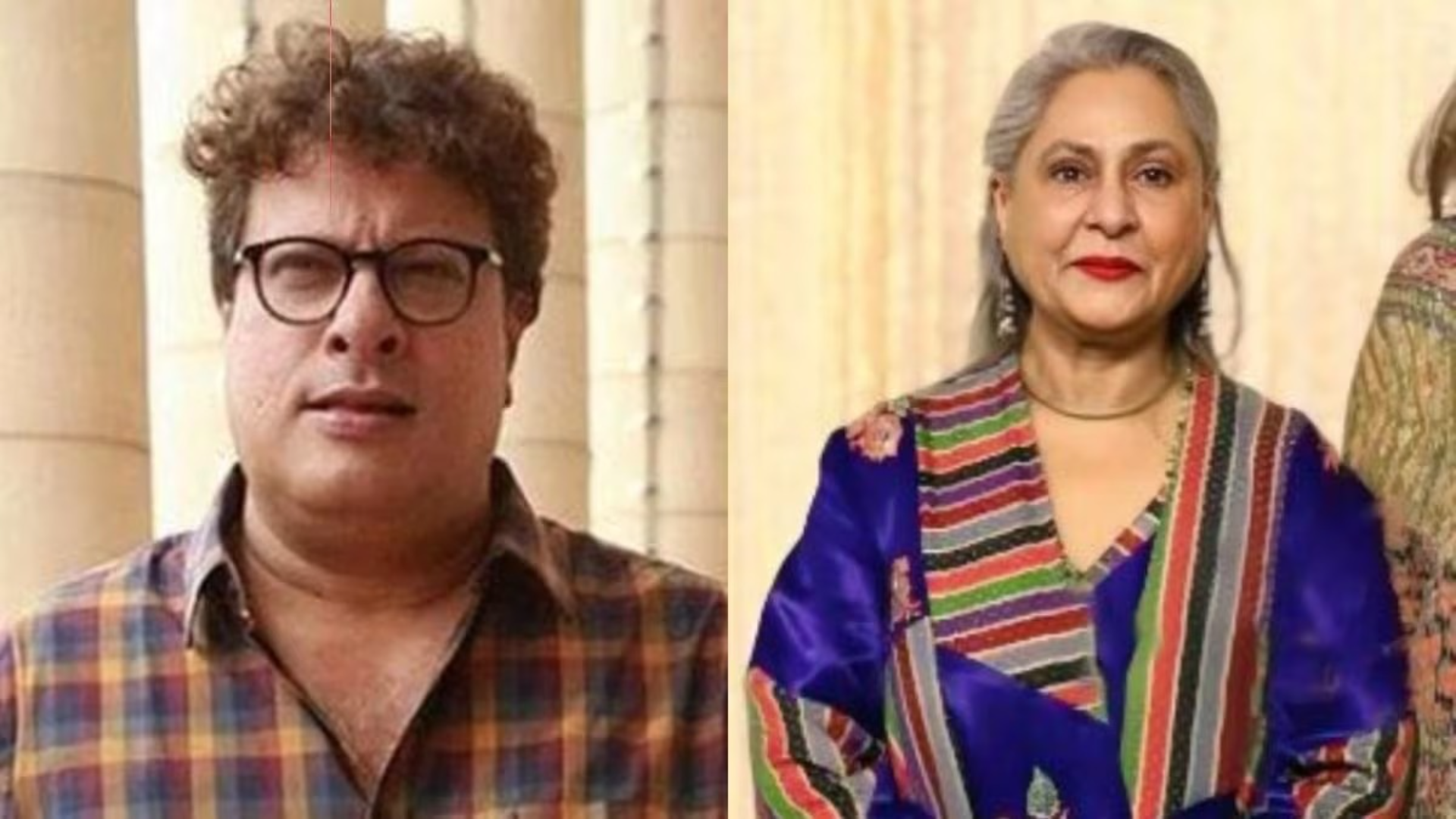
It is often said that the making of a film can be just as dramatic as the story on screen. For filmmaker Tigmanshu Dhulia, his directorial debut Haasil (2003) wasn’t just a creative milestone—it was a trial by fire that almost ended in public humiliation.
In a recent candid conversation, the veteran director revisited a terrifying chapter from the film’s production in Allahabad (now Prayagraj), revealing how a timely intervention by Jaya Bachchan saved him from a violent local mob.
The “Ravan” Entry That Sparked a Riot
The trouble began with a simple creative choice. Dhulia, an alumnus of Allahabad University himself, had returned to his hometown with high spirits to film his debut.
However, the very first sequence he shot featured the antagonist’s entry—the character Gauri Shankar Pandey, played by Ashutosh Rana.
“In any story, if there is a Ram, there must be a Ravan,” Dhulia explained. “Because I shot the ‘Ravan’ scenes first, the local student leaders felt I was portraying the university and its culture in a negative light.”
The situation escalated when locals noticed similarities between the fictional characters and real-life student figures. Specifically, the character’s original name, Lakshmi Shankar Pandey, bore a striking resemblance to a well-known local leader, Lakshmi Shankar Ojha.
A Room Full of Threats
What started as grumbling quickly turned into a full-blown confrontation. Dhulia recalled being summoned to the District Magistrate’s office, only to find himself surrounded by 20 to 25 former student union presidents.
The threats he faced were chillingly specific:
Vandalism: Protesters threatened to smash the windows of the Yatri Hotel, where the crew was staying, and set their production vehicles on fire. Public Humiliation: The mob warned Dhulia that they would blacken his face and parade him through the streets of Allahabad while sitting on a donkey.
“I was terrified and I started crying,” Dhulia admitted. “All my emotions just came out. I had come to my own city to work, and I felt utterly humiliated.”
The Bachchan Intervention
Feeling cornered and alone, Dhulia reached out to veteran actress and Samajwadi Party member Jaya Bachchan. Understanding the gravity of the situation and the political undertones of the protest, Bachchan didn’t hesitate to help.
She immediately contacted the late political heavyweight Amar Singh, who was then the General Secretary of the Samajwadi Party. Singh’s influence in Uttar Pradesh was unparalleled at the time. Following a few strategic phone calls from Singh’s office, the hostility began to evaporate.
“If she hadn’t helped, it would have been a massive problem,” Dhulia remarked. While the tension subsided, it came with a compromise: the production was allegedly told not to use the name “Allahabad” explicitly in the film, leading Dhulia to navigate the rest of the shoot with extreme caution.
Legacy of a Cult Classic
Despite the harrowing experience, Haasil went on to become a cult classic, lauded for its raw, unflinching look at campus politics in North India. It is also remembered for being the film that truly put Irrfan Khan on the map as a powerhouse performer.
Today, Dhulia looks back at the incident as a “baptism by fire”—a reminder that in the world of cinema, sometimes the most important person on set isn’t the director, but the person with the right phone number. To know such latest updates tuned tellyboosters.com Thank you!

