


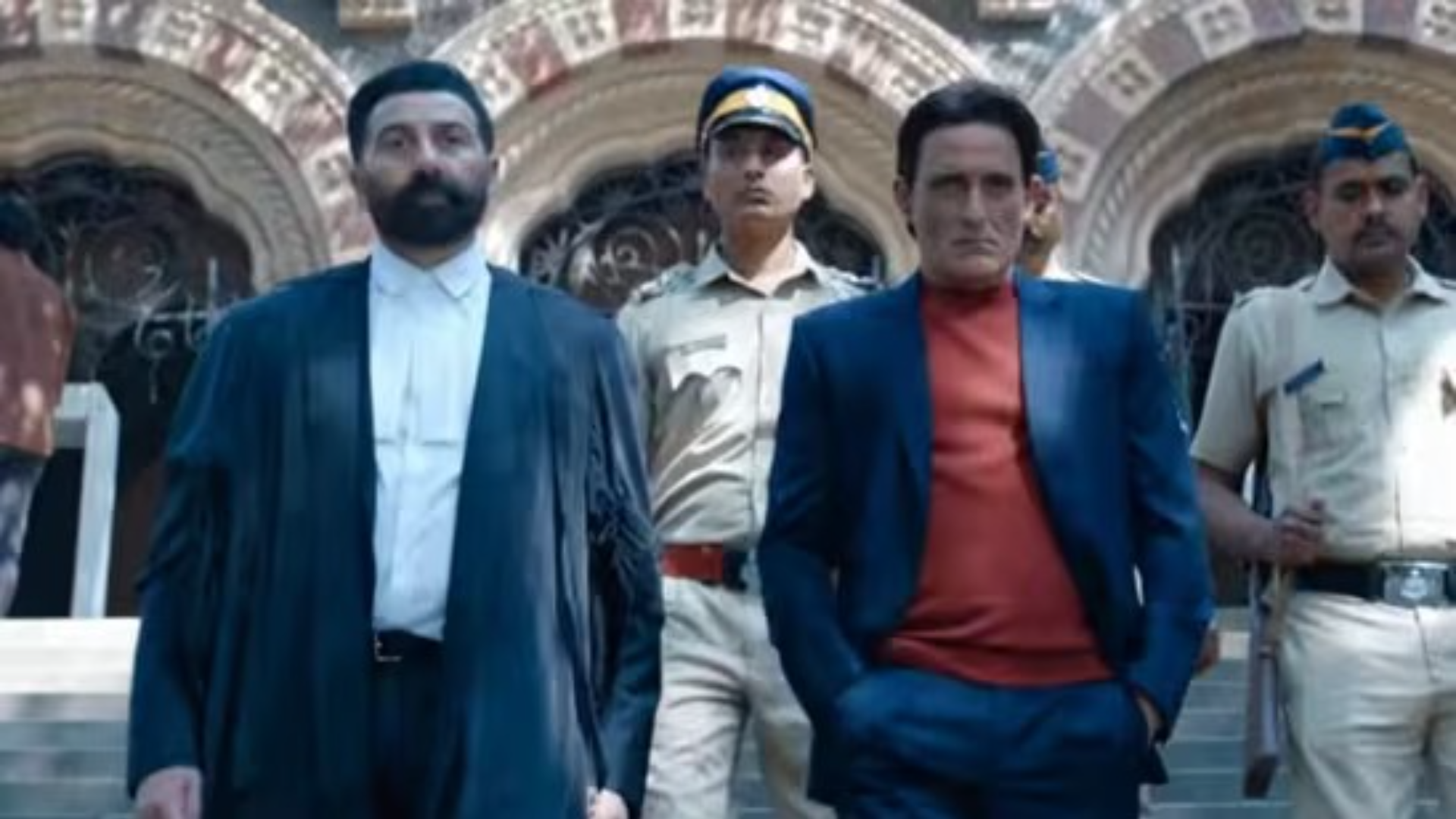
The digital premiere of director Siddharth P. Malhotra’s highly anticipated legal thriller Ikka on Netflix has left critics and movie lovers thoroughly underwhelmed, turning what promised to be an explosive cinematic clash into a tiresome exercise in old-school Bollywood melodrama. Packaged as a slick, modern courtroom battle, the film attempts to leverage the grand star-versus-star dynamic by pitting a righteous, unyielding defense lawyer against a sleazy, power-drunk elite suspect. However, any hopes for a sophisticated, intellectually stimulating legal puzzle quickly evaporate as the screenplay repeatedly abandons cold, clinical logic in favor of over-the-top theatricality, outdated narrative tropes, and exhausting screaming matches that feel completely stuck in the filmmaking style of two decades ago. Instead of exploring the fascinating moral grey areas promised by the premise, the narrative continuously collapses under the sheer weight of its own commercial contrivances, rendering the central murder mystery predictable and ultimately flat.
At the absolute center of this uneven legal drama is Sunny Deol, who portrays Arjun Mehra, a celebrated and heavily idealized defense attorney known throughout the judicial circuit as the incorruptible “Ikka”. When an open-and-shut case involving Shauryamann Gaur, the privileged and highly abusive son of an influential political figure accused of brutally assaulting a young woman, lands on his desk, the ethical lawyer initially completely refuses to touch the assignment. However, the writers quickly introduce a highly convenient and emotionally manipulative personal crisis involving his daughter’s sudden medical emergency, effectively trapping him into playing devil’s advocate for a man he deeply despises. This setup initially offers a genuinely compelling moral dilemma, providing a rare opportunity to explore internal panic, vulnerability, and systemic helplessness. Unfortunately, rather than fine-tuning this internal conflict with modern restraint, Sunny Deol frequently lapses into his signature, aggressive angry-young-man mode. His performance relies heavily on shouting down opposing counsels and delivering explosive, thunderous outbursts that blatantly mirror his iconic character from the 1993 classic Damini, destroying any sense of contemporary realism the director initially attempts to establish.
Matching this high-decibel performance is Akshaye Khanna, who plays the antagonist Shauryamann Gaur with an array of self-assured smirks, twitchy mannerisms, and clenched-teeth dialogue delivery that makes his presence feel completely over-familiar. Viewers and critics have quickly pointed out that Khanna looks as if his terrifying character from his recent hit Dhurandhar simply walked directly off that set and right into this courtroom, offering almost nothing new in terms of depth or character variation. While his natural arrogance and chilling, manipulative gaze inject a temporary surge of energy into their brief face-off sequences, their interactions are frustratingly short-lived, leaving audiences wanting far more actual legal sparring and significantly less exposition. The supporting cast also suffers immensely from a lack of proper writing, with Dia Mirza reduced to playing a stereotypical weeping mother serving merely as a plot bridge, and Sanjeeda Shaikh completely wasted in a flat role as the suspect’s docile, miserable wife. Although the exceptionally talented Tillotama Shome briefly saves the second half by bringing much-needed realism and sharp, grounded wit as rookie prosecutor Madhura Banerjee, even her brilliant intervention cannot salvage a script bogged down by sudden video evidences, a barrage of convenient last-minute witnesses, and an overblown, redundant trick ending designed solely to ensure Sunny Deol’s character stands tall and vindicated at the cost of basic logic.
To know such latest updates tuned tellyboosters.com Thank you

