


- Advertisement -
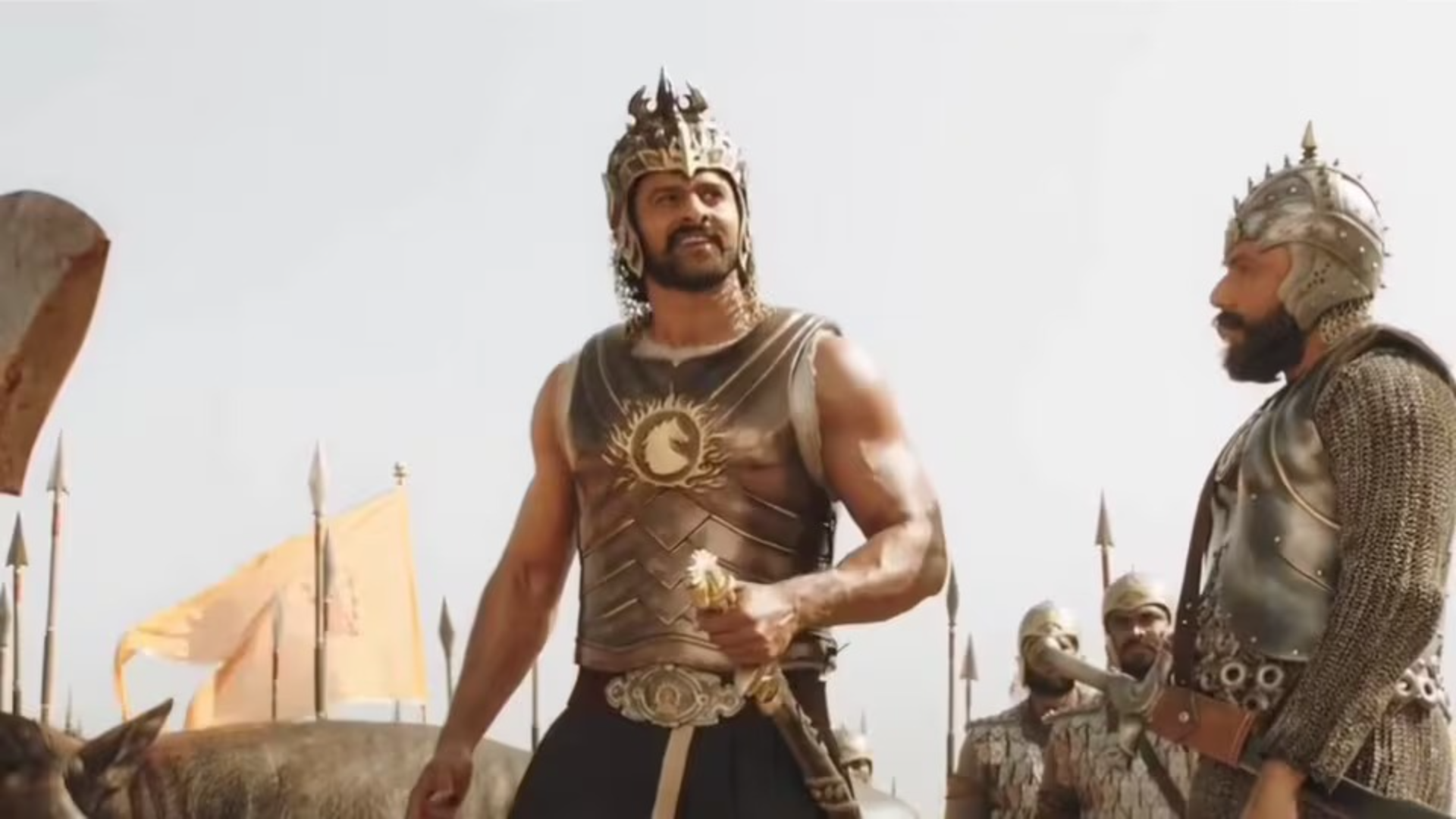
In an unexpected and cinematic turn of international diplomacy, the Iranian Consulate in India drew global attention by utilizing a clip from the Indian blockbuster movie Baahubali to echo a strong political message. This unique social media post followed Iranian President Masoud Pezeshkian’s fiery address at the 81st United Nations General Assembly (UNGA) in New York, where he delivered a staunch defense of his nation’s sovereignty. By referencing the legendary battle sequences featuring actor Prabhas standing firm against the Kalakeyas, the diplomatic mission visually translated President Pezeshkian’s core message that Tehran will not yield to external threats, economic sanctions, or geopolitical pressure.
During his address at the high-profile global summit, President Pezeshkian firmly rejected the language of force and coercion, telling the assembly that the resolve of the Iranian people only intensifies when faced with adversity. Highlighting a tone of fierce resistance against mounting tensions and international restrictions, he boldly stated that his country would never bow its head or bend the knee. Capitalizing on this powerful declaration, the consulate shared a gripping video edit from S.S. Rajamouli’s cinematic masterpiece, pairing the visual metaphor of an unyielding warrior defending his homeland with the official statement that they are prepared to shed their own blood in sacrifice for their country, much like the iconic hero from the film.
This creative intersection of mainstream Indian cinema and Middle Eastern geopolitics quickly went viral across various digital platforms, capturing the imagination of movie fans and political analysts alike. While international relations are traditionally defined by formal statements and rigid communiqués, this pop-culture reference demonstrated the universal appeal of cinematic themes concerning honor, defiance, and protection of the motherland. As diplomatic tensions remain high on the world stage, the unexpected nod to Tollywood cinema highlighted how global entities increasingly leverage popular culture to connect with regional audiences and amplify their core political stances across borders.
To know such latest updates tuned tellyboosters.com Thank you
- Advertisement -

