


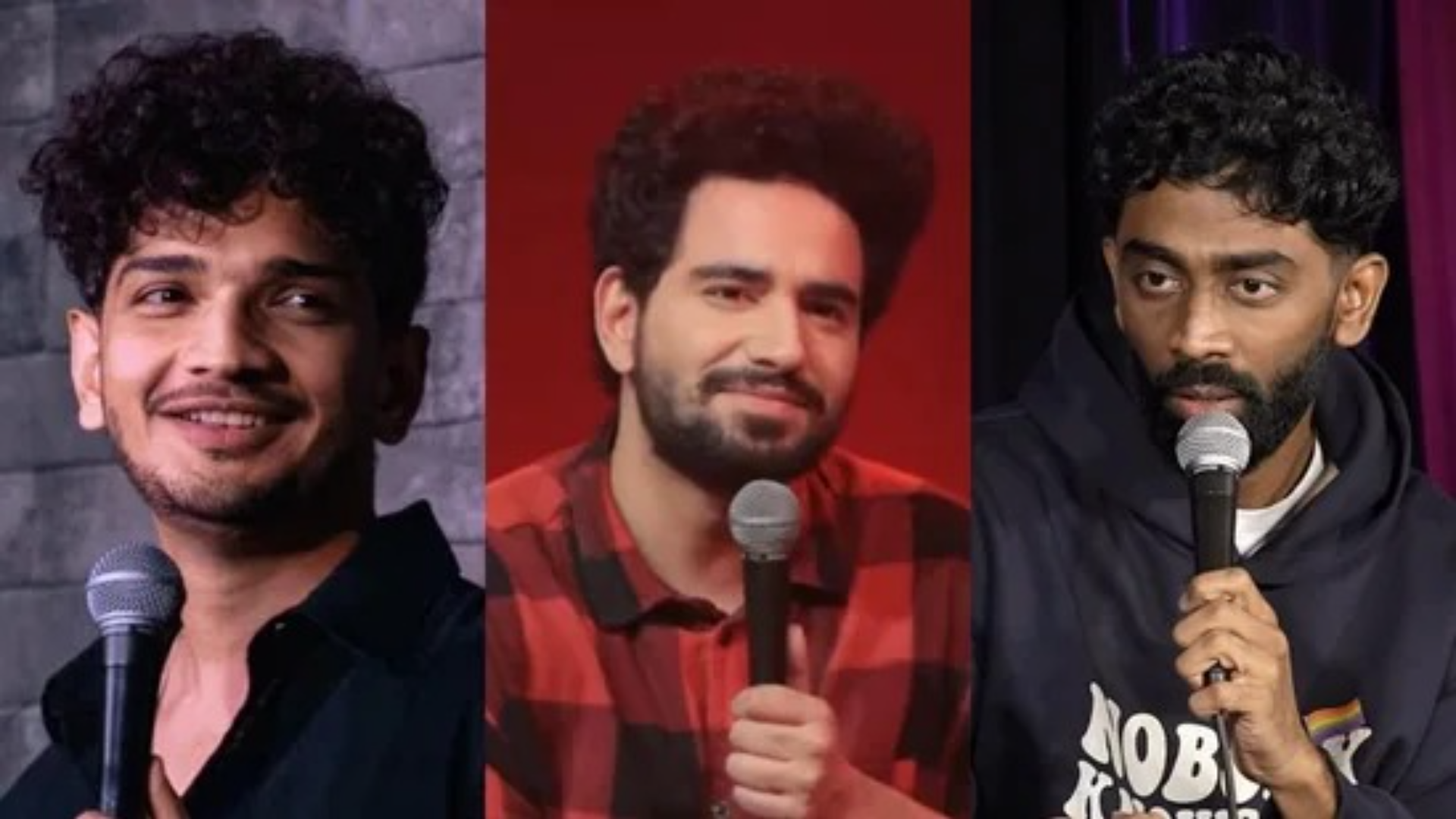
The landscape of stand-up comedy in India has undergone a massive paradigm shift over the last decade, transitioning from a niche subculture into a highly lucrative mainstream entertainment phenomenon. However, as the reach and financial equity of regional and national comics have reached historic highs, the industry has simultaneously found itself under intense legal and public scrutiny, where jokes are regularly evaluated for their larger societal impact and sensitivity. The ongoing debate surrounding the boundaries of creative freedom and public accountability has once again taken center stage following a massive legal controversy involving stand-up performer Pranit More. The Maharashtra Cyber Police recently registered a formal First Information Report against the comedian, alongside two audience members, over highly objectionable and derogatory remarks made during a crowd-work interaction at a live show in Gurugram, illustrating how quickly an unscripted moment of laughter can transform into a serious criminal offense.
The intense backlash against Pranit More erupted after he uploaded a crowd-work video clip where a male audience member narrated a highly controversial dating story, suggesting that spending three hundred seventy rupees on a plate of chicken biryani legally or morally entitled him to physical intimacy from his female date. Instead of actively challenging the problematic and non-consensual underlying sentiment of the narrative, the comedian laughed along, labeled the exchange as peak Gurugram content, and eventually awarded the storyteller a cash prize of five thousand rupees, which triggered widespread outrage from top digital creators, legal activists, and the National Commission for Women. Despite More issuing multiple public apologies and temporarily deactivating his social media presence, the severe real-world fallout resulted in the immediate corporate termination of the audience member from his workplace and a formal police case, prompting fellow industry veterans like Munawar Faruqui to publicly urge netizens to halt the relentless online trolling while acknowledging that the content had undeniably crossed acceptable human boundaries.
This high-profile incident is merely the latest chapter in a long history of Indian stand-up comedians having serious brushes with law enforcement and regulatory bodies over their creative routines. Fellow digital star Samay Raina encountered massive nationwide trouble last year when an episode of his wildly successful unfiltered talent show featured a deeply controversial joke by podcaster Ranveer Allahbadia, leading to multiple police complaints across the country, a temporary removal of all content from his channel, and extensive public apologies before he could plan a subsequent season. Similarly, political satirist Kunal Kamra faced a major criminal case in March 2025 after releasing a stand-up special where he sharply mocked the internal political landscape of Maharashtra, resulting in a formal defamation complaint by a local political leader and subsequent public vandalism at the Khar studio venue where the performance was originally recorded.
The structural legal hurdles for the comedy community trace back even further to defining institutional moments that completely reshaped the operational boundaries of the entire entertainment sector. In January 2021, Munawar Faruqui famously spent over a month in judicial custody following his highly publicized arrest by the Madhya Pradesh Police for allegedly hurting religious sentiments and making derogatory remarks regarding traditional deities before his actual performance could even commence on stage. Years prior to that, the pioneering comedy collective All India Bakchod, spearheaded by Tanmay Bhat, faced numerous formal complaints and absolute public condemnation for their profane celebrity roast format involving actors Ranveer Singh and Arjun Kapoor, which eventually led to the permanent disbanding of their popular media organization, followed by individual cases against Bhat in 2017 for publishing a satirical meme centered around the Prime Minister, proving that the delicate line between edgy humor and legal liability remains a continuously evolving tightrope for every single modern content creator.
To know such latest updates tuned tellyboosters.com Thank you

